The next World Cup will be the biggest in history — more teams, more games, more cities and more commercial opportunities than ever before. Sounds good if you are following from an armchair in Suffolk, without a care in the world other than how to keep the lagers cool and the best place to put your TV for the footie fest. But what if you’re considering attending in person? What if you’re one of those people that bring the noise and colour to the stadium, a travelling fan? Bigger and better when merged with the highest ever ticket prices, increased travel and a lack of affordable accommodation makes for a very expensive trip.
My first World Cup travelling to support England was Italia 90. It was the tournament of Gazza’s tears, Roger Milla’s corner flag goal celebration and, as any Town fans will tell you, Italia 90 was Bobby’s pinnacle. Having taken Ipswich from the second division to European stalwarts, Bobby Robson was very much in demand. Despite the opportunities to move to bigger clubs like Barcelona, Robson stood by his contracts and only left Ipswich when England came calling. He left with the fans’ blessing, their knowing he was still managing a team most of them would follow, now on the international stage.
It was a different time for football fans, a time when travelling to international tournaments came with trepidation, not least due to the issue of hooliganism that made “England away” a trip that was much more than shouting on your team. It was an adventure for sure, but one where you needed to be on your toes or risk the baton of a Carabinieri or Parisian CRS officer quite happy to whack a head first and ask questions later.
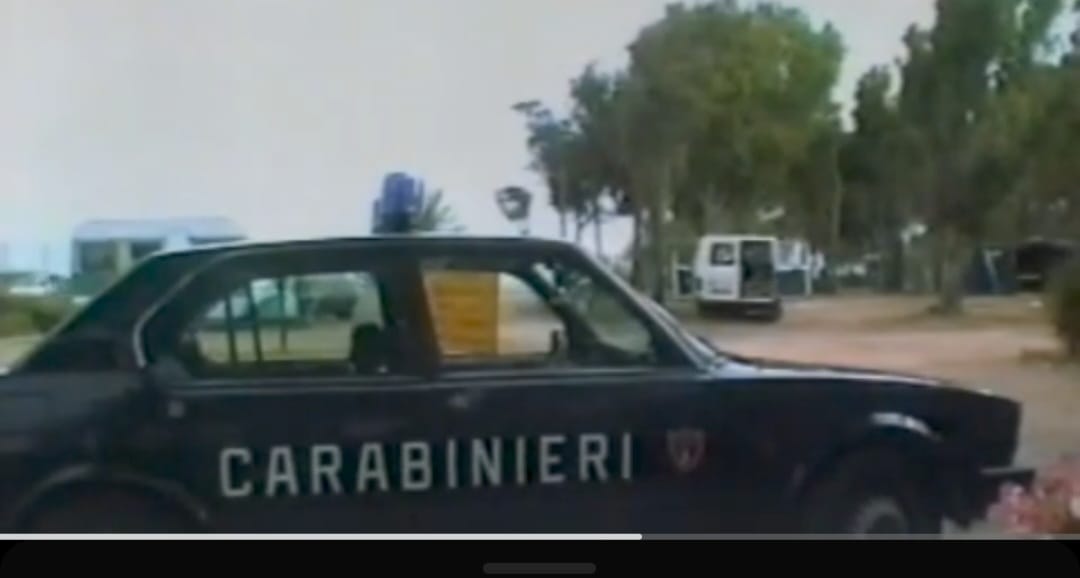
But leaving aside the dark shadow of hooliganism, how easy and affordable was it to follow England at the 1990 world cup?
For starters the structure was completely different. Groups were based around 2 cities and England were placed in Cagliari on Sardinia for their 3 group games. Camp sites were provided, albeit with basic facilities.
Travel was available using an Interrail ticket — allowing youngsters access to the whole European rail network for a fixed fare — meaning you could both get to Italy and travel around if/when England progressed. As for match tickets, I recall England v Germany was around £33 for a semi final — £83 in today’s money. All in, Train ticket to Dover, return ferry, inter rail, ferry to Sardinia and back to mainland Italy, 3 weeks accommodation, probably 2 weeks camping, match tickets and 3 weeks food and drink I got through £850 — which today would be £2,150.

Three weeks in the US following England to various destinations is clearly going to be well in excess of that, primarily because no one appears to be considering the fans (or the players) in their choice of venues. England’s games are split between Texas, Boston and New York, giving a relatively manageable itinerary, but placing all our games in New York/Boston would make the travel and accommodation logistics much easier. And spare a thought for fans in Group J (Argentina, Algeria, Austria, and Jordan) who can feel particularly aggrieved as they will have to rack up over 6,400 miles to watch all their team’s group games should they make it to the final.
But beyond full stadiums and television audiences, supporter experience appears increasingly secondary. Ultimately, full stadiums matter, but other than that, what do FIFA care? Given their role seems to be to make as much money as possible, it’s clear fans come a long way down their list of priorities, way behind dignitaries, sponsors, officials etc.
This is an organisation that managed to choose Russia, Qatar and, for 2034, Saudi Arabia as hosts for the World Cup. Let’s not forget that Russia had already invaded Crimea in Ukraine when they hosted the 2018 competition. Qatar 2022 shone a light on the humanitarian mistreatment of itinerant workers in Qatar with many thousands killed on construction sites, including World Cup stadia, after the country was awarded the competition by FIFA. These are places where human rights abuses abound and there is little in the way of a tourist industry to support the travelling fans, yet the hosts use their deep pockets to sports wash their public images.
The considerations of FIFA do not lie with the players or their fans, nor seemingly are human rights abuses troubling their consciences. What they value is the ability of a host to put on a party — the hospitality booths will be bursting, the champagne flowing and the TV companies can project it round the world for the TV revenues that are the main prize. Millions rolling in to the coffers without a care in the world for any of the so called “legacy” fans; those who have put in the graft and made sacrifices purely because they want to cheer on their country, home and away.
Lessons for Ipswich
While it would be easy to dismiss the World Cup as detached from domestic football, there is a real danger that the same commercial pressures shaping FIFA are increasingly shaping the English club game too.
For now, the excesses of an American World Cup, with additional TV breaks, half time shows etc. are some way from Portman Rd on a Saturday afternoon. When Gamechanger followed a growing number of American based owners buying into British clubs keen to maximise their investment, perhaps this model came a step closer. American sports ownership models are built around maximising revenue — which means premium seating, hospitality, sponsorship and scarcity pricing.
Once you create a product where demand exceeds supply then bingo, you’re off — scarcity creates value. Once demand consistently exceeds supply, football clubs have strong incentives to monetise that scarcity, whether that’s this year’s kiddies’ toy, latest fashion trainer or a ticket for Ipswich v Arsenal in the Premier League. By accident or design, a shortage can be exploited, a fact that ticket touts the world over appreciate.
And so the tourist model is born, as Premier league clubs opt to cut out the touts and instead package match day hospitality to fill that gap. Legalised touting in all but name, it brings in additional revenue, which we are assured will be spent on players. We shrug our shoulders, not wanting to point out the double standards as the club warn us against lending our tickets to our mates or relatives.
Ipswich invested in the well marketed “Three Lions lounge”, priced at £135 last season for a match, while it has put up the match day price to Season ticket holders by up to 35%. It might be the free market, it might be that the club can dampen excess demand, but I am struggling to see how exploiting the loyalty of ordinary fans who watched Ipswich in League 1 is what football should be about.
Do traditional fans matter?
If Ipswich, or any club for that matter, simply opts to maximise revenue, does it matter?
The accountants will be happy — a noisy fan paying £25 a ticket is worth less than a 2/3 times a year, Three Lions hospitality visitor enjoying canapes and paying 10 times more for the “experience”. Modern ownership models inevitably view clubs partly through the lens of asset growth and revenue generation. Our owners saw Ipswich as a cheap route in and will now look to maximise our value for the time they sell up/move on. The marriage of convenience has gone well so far, but what happens when you focus on the balance sheet rather than the loyal fans who stood by the club during the darkest of periods?
Part of being rooted in a community is affordable pricing. We will be here long after the current owners and executives are gone, still supporting our team irrespective of our performance or revenue streams. But if the World Cup in America shows us one thing it is that the pursuit of revenue over fans, the touristification of football and putting TV before fans is a path that ends up a long way from where are we started.
Dynamic pricing anyone? Foreign games? No more promotion or relegation? Let’s develop a stadium arena/bowl for yet more hospitality. Just the one more TV game per weekend,.
Football rarely changes overnight. It changes incrementally. One extra television slot. One ticket-price rise justified by demand. One new hospitality tier. One overseas fixture proposal dismissed as harmless. By the time supporters realise the culture has shifted, the shift is already complete.
Fans before revenues — those people who kept the game alive during the 80s when TV coverage was limited to MOTD and who stayed loyal to the game and passed it on to our kids. Price them out of the game and we’ll soon end up with the sort of sterile nonsense of an FA cup final with spaces in both the posh seats and behind the goals.
Bobby wouldn’t approve, of that I’m sure.
What is football for? No one summed it up better than Bobby himself.
What is a club in any case? Not the buildings or the directors or the people who are paid to represent it. It’s not the television contracts, get-out clauses, marketing departments or executive boxes. It’s the noise, the passion, the feeling of belonging…
We know times and football’s finances have changed, but without the passion and feeling of belonging, why would any of us bother?
Notes
Author: an Ipswich fan who first watched Ipswich in the mid 80s. Following Ipswich for years, he is a season ticket holder in the West Stand.
Bumping into Sir Bobby at an open England training session in 1990 is one of his footballing memories along with starting a “Bobby Robson’s blue and white army” chant at the Quarter Final match v Cameroon in Naples.
He is one of 16 founder members of “Bobby’s Vision” a supporter led initiative hoping to be a voice for legacy fans increasingly left unheard in modern football.